
Everyone knows the basics of travel. You should pack your passport, get to the airport early, and double-check your reservations. But it’s often the small, overlooked tips that make the biggest difference in how smooth your trip feels.
Here are some underrated travel tips you can start using on your upcoming summer trips that can completely change your experience.
-
Save Your Must-Visit Spots in Google Maps Before You Go
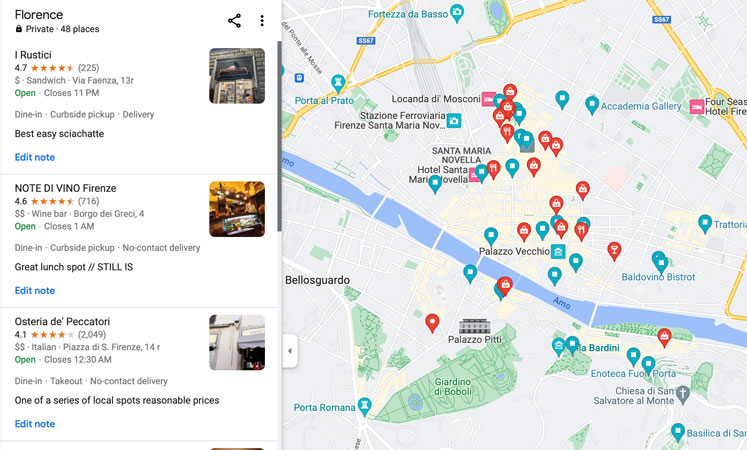
Instead of scrambling to search for restaurants or attractions right after you arrive in a new city, save everything in advance on Google Maps while planning your trip. You can create lists like “Hawaii 2026,” “Summer Vacation,” or “Greece” to help you remember what each location is for. You can even take it a step further and create custom lists for each day of your trip for those of you who are Type A travelers.
How to save a location on mobile:
- Open Google Maps
- Search for a place
- Tap the location
- Hit Save
- Add it to a list or create a new one
Once you arrive, you’ll have a personalized map ready to go. No more digging through screenshots or notes!
-
Download Offline Maps and Avoid Roaming Fees
International data charges add up fast. For example, plans like AT&T’s International Day Pass or Verizon’s TravelPass can cost around $12 per day, which becomes expensive on longer trips. Even in popular cities or crowded tourist areas like New York City or Chicago, cellular service can be unreliable due to network congestion and tall buildings that interfere with signal strength.
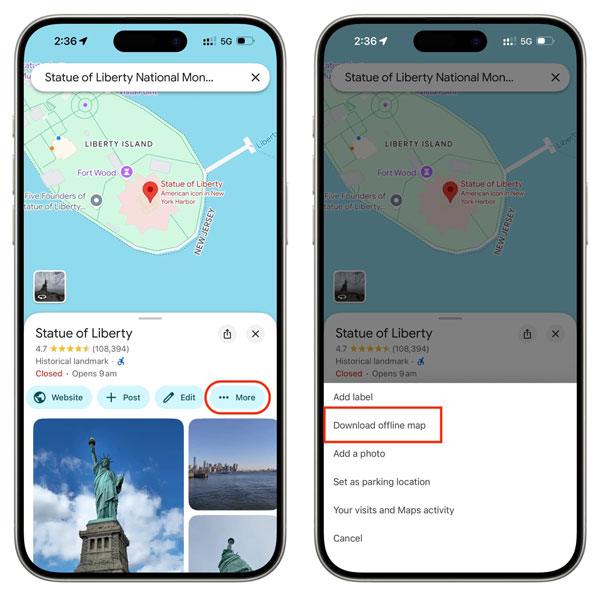
For those looking to avoid charges or wanting reliable navigation no matter where you are, you can download offline maps in Google Maps before you leave and access them when you arrive.
How to download an offline map:
- Open Google Maps
- Search your destination
- Tap the location card
- Select Download offline map
- Adjust the area and download
-
Consider an eSIM Instead of Data Roaming
If you still want access to data abroad but don’t like the pricing from your carrier, you can potentially use an eSIM instead of paying daily roaming fees. Most newer smartphones support eSIMs, but you’ll want to confirm that your device is compatible and that your carrier allows you to use one. Some carriers “lock” phones, meaning they restrict you to their network and may prevent the use of third-party or international eSIMs.
Companies like Airalo, Holafly, and Simify offer digital SIM cards that you can install directly on your phone.
How it works:
- You purchase a data plan online
- Download the eSIM to your phone
- Activate it when you arrive
-
Match Your Trip Length to Your Flight Time
This one is more of a personal rule, but it makes a big difference. If you’re flying 6–14 hours to get somewhere like Hawaii, London, or Sydney, consider staying for a similar number of days. Long-haul travel takes a toll on your body, and shorter trips don’t always give you enough time to adjust and truly enjoy the destination.
-
Use Packing Cubes to Stay Organized
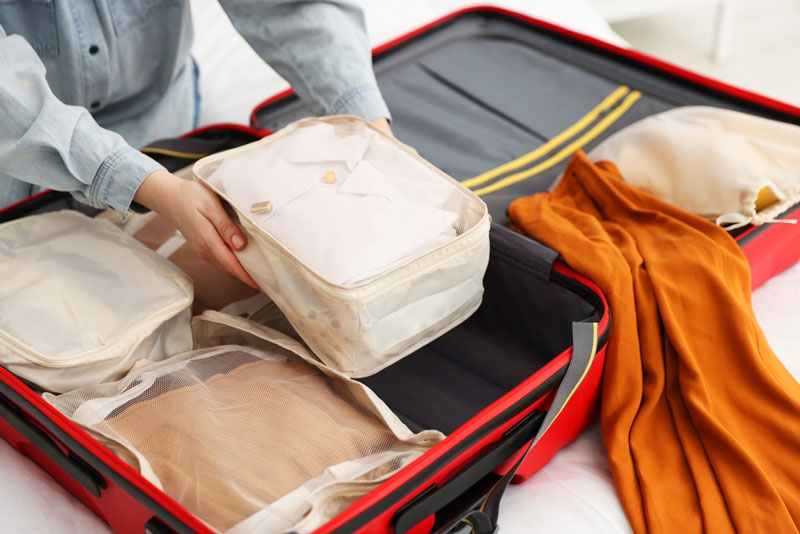
Packing cubes are one of the simplest “upgrades” you can make when planning your trip. They help save space, keep outfits organized, and prevent overpacking. Instead of digging through your entire suitcase, everything has its place, and you can organize your cubes however you prefer—by outfit, clothing type, or weather.
-
Use AirTags to Track Your Belongings
If you are an Apple user, traveling with AirTags can give you serious peace of mind. Most people use them to track their luggage in case it gets lost. Once you arrive at your destination and your luggage is with you, you can keep one in your bag to help prevent theft or even place one in a child’s shoe or pocket in crowded areas.
-
Invest in “Pickpocket Proof” Gear
Pickpocketing is common in major cities in Europe, and local authorities may not always be able to help, so it’s important to take precautions yourself!
Consider using anti-theft crossbody bags with secure zippers or money belts worn under your clothing. If you don’t want to buy new gear, you can secure your current bag by attaching a carabiner (even one from a water bottle) to your zipper. Check out this quick video as an example: https://www.facebook.com/reel/621017653664208
-
Bring a “Pocket Pharmacy”
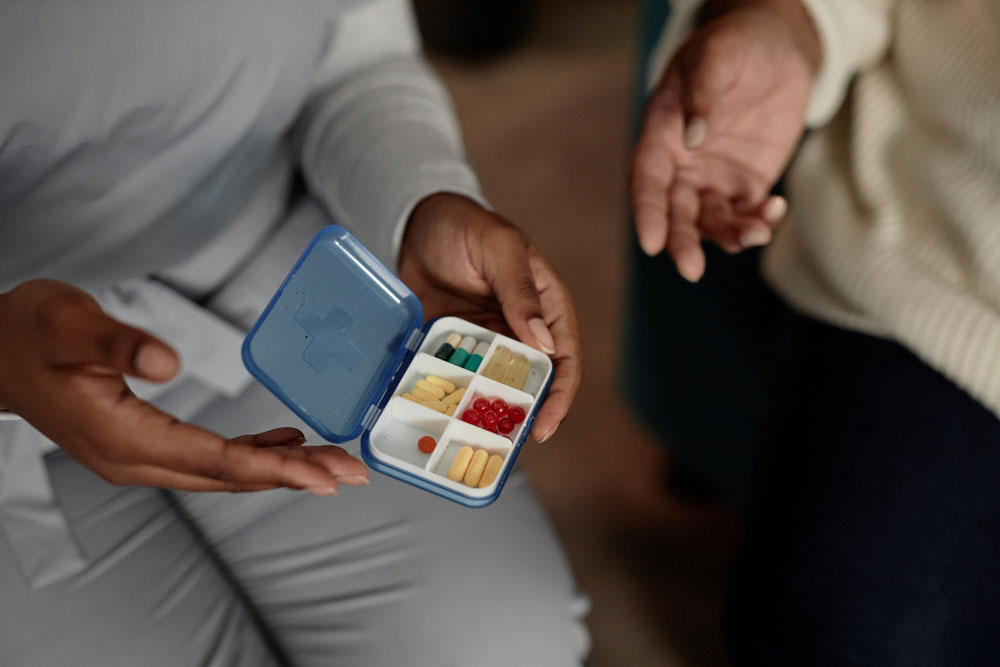
Pharmacies abroad can be confusing, with different brands, languages, and sometimes limited hours. It’s best to save yourself from the headache (and the pain reliever you will need to help fix it!) by bringing small quantities of medications with you.
A compact pill case can hold essentials like pain relievers, allergy medication, antacids, sleep aids like melatonin, vitamin C or zinc if you start to feel sick, and motion sickness pills. Being prepared helps save time when you’re not feeling your best.
-
Use Cards Over Cash (But Keep Some Coins)
While it’s common to carry cash, almost all places now accept cards, and using them can actually reduce your risk. If your card is lost or stolen, you can quickly lock it through your online banking app. Cash, on the other hand, is gone for good.
That said, we still recommend keeping some small coins, as in many parts of Europe public restrooms require around €1 and coins make that much easier.
These aren’t flashy “travel hacks,” but they’re the ones that seasoned travelers keep coming back to and rely on most. With a little preparation and easy-to-use tools, your travel experience can be far less stressful, allowing you to focus on enjoying your vacation instead of managing it.
Bon voyage!
Sources: